Choosing the right timber or sheet material depends on where and how it will be used. Plywood offers layered strength and versatility, MDF provides a smooth surface for interior joinery, OSB is a practical option for many structural applications when correctly specified, and pressure-treated timber is designed for suitable outdoor uses.
TradePoint stocks these key categories alongside planed, sawn and CLS timber, giving UK tradespeople several options for construction, renovation and woodworking projects.
Whether you are building stud walls, installing flooring, creating fitted furniture or working on an outdoor structure, understanding the differences between materials can help you achieve a suitable finish, manage costs and reduce waste.
Plywood: A Versatile Choice for Construction and Joinery
Plywood is made by bonding multiple thin layers of wood veneer together, usually with the grain direction alternating between layers. This construction gives it good dimensional stability and makes it useful for a wide range of building and woodworking applications.
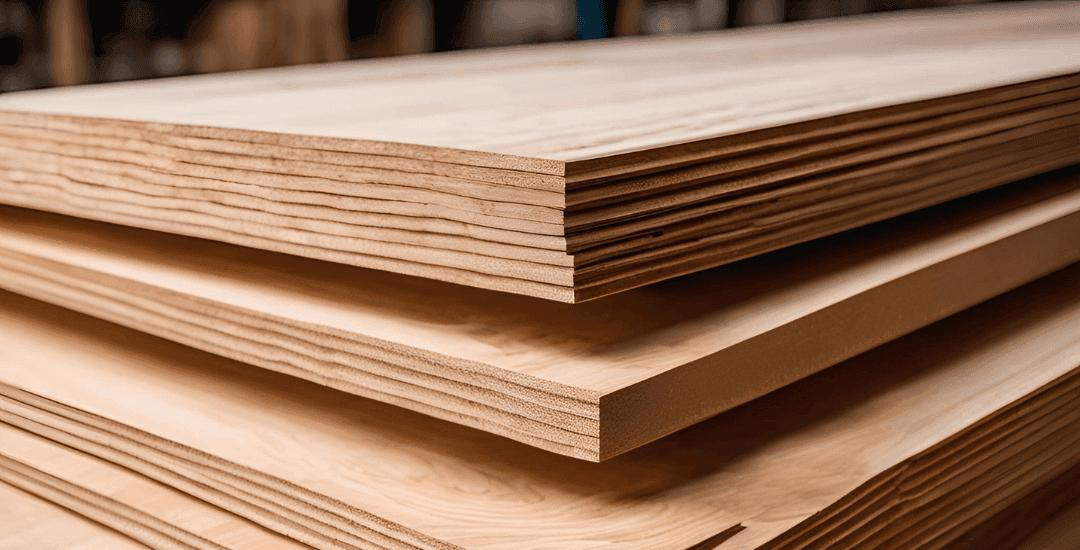
Best uses for plywood
Subflooring and flooring: Suitable structural grades and thicknesses can provide a stable base when installed over correctly spaced supports.
Roofing and wall sheathing: Appropriate structural plywood can help form a strong building envelope.
Cabinetry and furniture: Hardwood plywood is useful for cabinets, shelving, work surfaces and interior fittings.
General joinery: Thinner sheets can be used for panels, linings and other woodworking projects.
TradePoint offers plywood in several thicknesses, including 5mm, 9mm, 12mm and 18mm options, subject to product availability.
What to check before buying
Plywood is available in different grades and specifications. Consider the intended application, face quality, bonding classification and exposure conditions. Structural projects require plywood with the appropriate structural rating, while decorative work may prioritise appearance and surface finish.
Do not assume that every plywood board is suitable for external exposure or load-bearing applications. Always check the product specification.
MDF: Best for Smooth Interior Finishes
Medium-density fibreboard (MDF) is manufactured from wood fibres combined with resin under heat and pressure. Its smooth, consistent surface makes it popular for interior joinery, furniture and decorative projects.
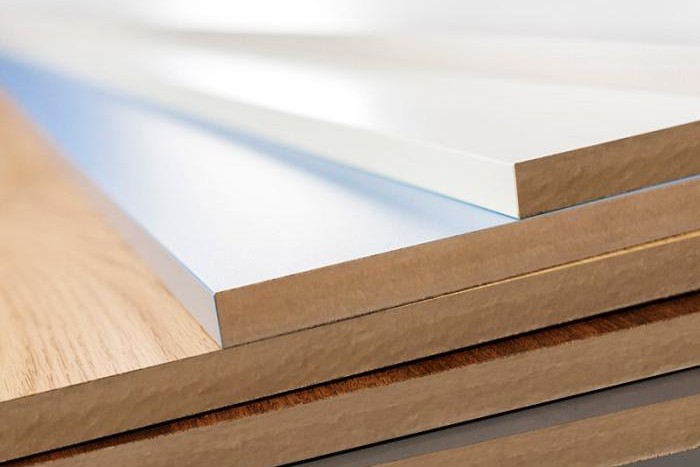
Best uses for MDF
Cabinet doors and furniture: MDF provides a uniform surface for painted finishes.
Shelving and storage: Suitable thicknesses can be used for cupboards, wardrobes and shelving when properly supported.
Decorative panelling: MDF works well for wall panels, mouldings and interior design features.
Skirting and architraves: MDF trims offer a consistent finish and can be painted to match a room.
TradePoint stocks MDF boards in different sizes and thicknesses, including 6mm, 9mm, 12mm and 18mm options. Moisture-resistant MDF is also available in selected formats.
Standard MDF or moisture-resistant MDF?
Standard MDF is generally best suited to dry interior environments. Moisture-resistant MDF is designed for applications where occasional higher humidity or moisture exposure may occur, such as certain kitchens and utility-room installations.
However, moisture-resistant MDF is not waterproof and should not be treated as suitable for prolonged direct exposure to water. Seal exposed edges and follow the manufacturer's installation and finishing guidance.
OSB: A Practical Sheet Material for Structural Applications
Oriented strand board (OSB) is made by bonding layers of wood strands together in specific orientations. It is widely used in construction because it offers a practical combination of strength, stability and cost efficiency.
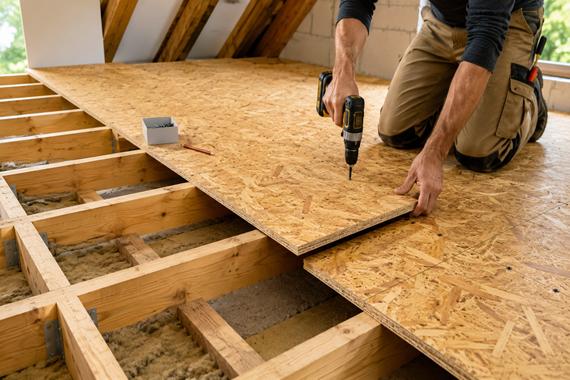
Best uses for OSB
Roof decking: Suitable structural OSB can provide a base for roofing systems.
Flooring: Structural-grade boards can be used in appropriate subfloor applications.
Wall sheathing: OSB can form part of a structural wall assembly when specified correctly.
Site and general construction work: It is useful for certain temporary protection and construction applications.
TradePoint offers OSB boards, including OSB 3 options in different thicknesses and formats.
Understanding OSB 3
OSB 3 is designed for structural use in humid conditions. This makes it suitable for certain construction environments where occasional moisture exposure is expected. It does not mean the board is waterproof or suitable for remaining permanently wet.
Check the required thickness, support spacing, load requirements and installation instructions before using OSB for floors, roofs or walls. Correct edge support and suitable fixings are also important.
Treated Timber: Suitable Options for Outdoor Projects
Pressure-treated timber is treated with wood preservatives to improve resistance to fungal decay and certain wood-destroying organisms. It is commonly used for outdoor construction where untreated timber may deteriorate more quickly.
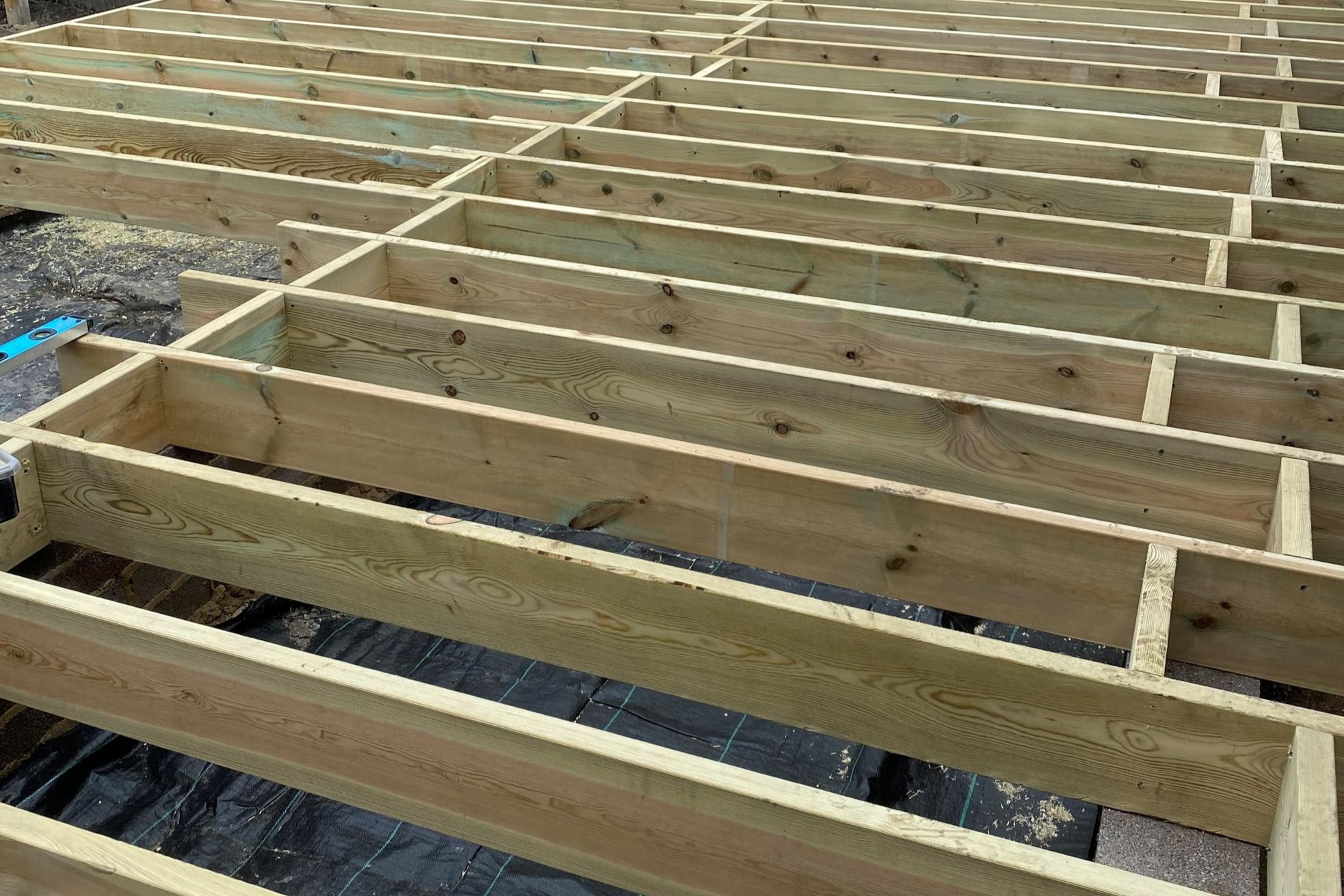
Best uses for treated timber
Garden structures: Suitable for fencing, raised beds and garden frames, depending on the treatment and intended ground contact.
Decking subframes: Treated timber can be used for supporting structures when selected and installed correctly.
Outdoor framing: Appropriate treated sections can support sheds, pergolas and other external projects.
General external construction: It can be useful for battens, framework and other applications exposed to weather.
TradePoint's timber range includes pressure-treated, planed, sawn and CLS timber, alongside other options for indoor and outdoor joinery.
What to consider when selecting treated timber
Not all treated timber is suitable for every outdoor application. Check the treatment class and manufacturer's guidance, particularly if the timber will be in contact with the ground or exposed to persistent moisture.
Cutting or drilling can expose untreated areas, so use an appropriate end-grain preservative where recommended. Also consider timber dimensions, structural grading and the correct fixings for external conditions.
Planed, Sawn and CLS Timber: Which Should You Choose?
Alongside sheet materials, different timber finishes and profiles are useful for framing, joinery and general building work.
Planed timber
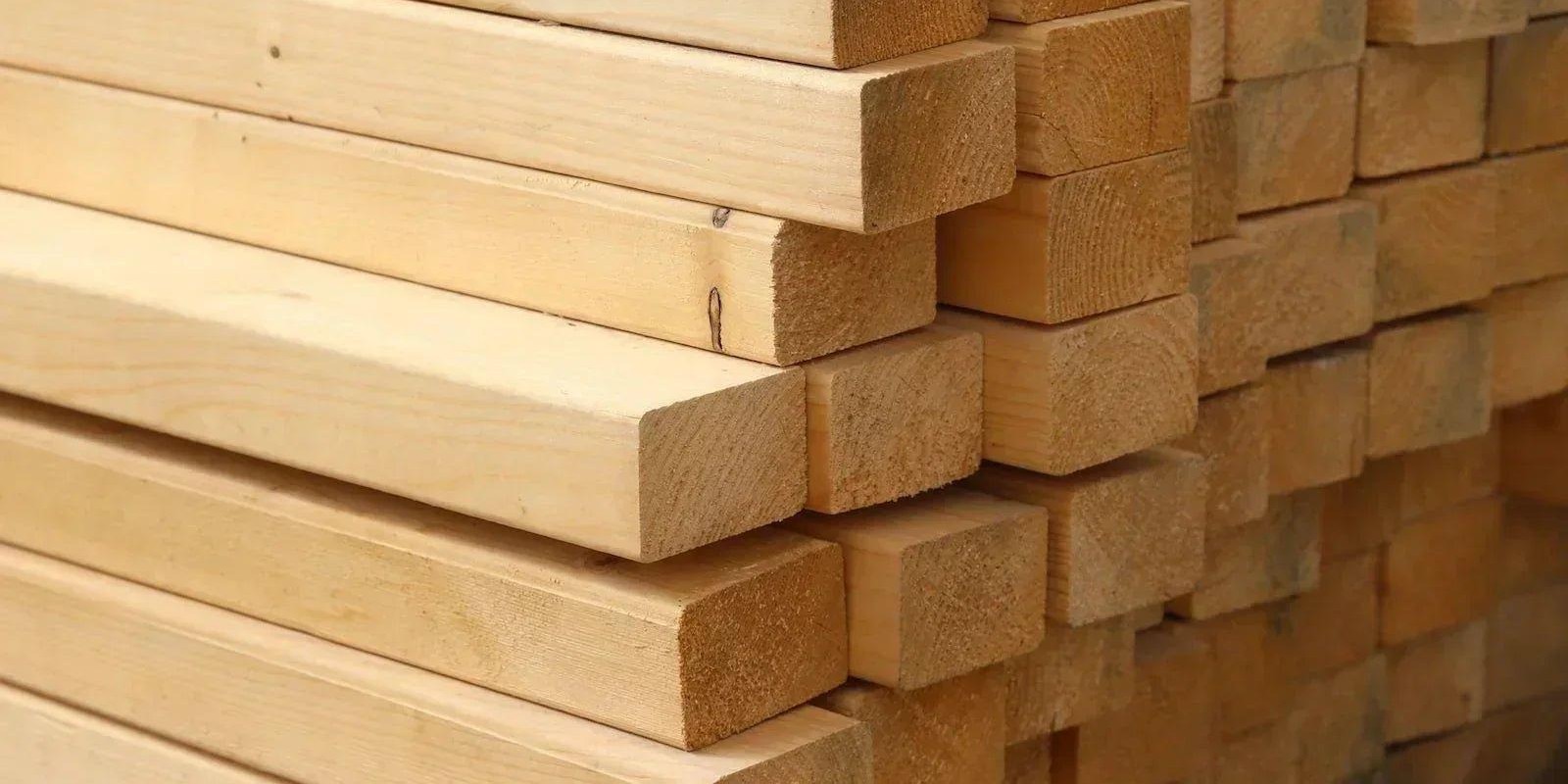
Planed timber has been machined to create smoother surfaces and more consistent dimensions. It is useful for visible framework, shelving, furniture, trim and interior projects where a cleaner finish is desirable.
Sawn timber
Sawn timber retains a rougher surface from the cutting process. It is commonly used for general construction, framing and applications where a smooth decorative finish is not essential.
CLS timber
CLS timber is machined timber with rounded edges, commonly used for internal stud partitions and framing. Its consistent dimensions make it practical for building frameworks, though the correct grade and size must be selected for the intended application.
C16 structural timber
C16 is a strength class used for structural softwood. Where timber forms part of a load-bearing structure, check the required grade, dimensions, span and design specifications rather than choosing solely by appearance or price.
How to Choose the Right Sheet Material and Timber
The most suitable material depends on the project's purpose, environment and performance requirements. Before ordering from TradePoint, consider these factors:
Application: Decide whether the material is for structural work, furniture, decorative finishes or external construction.
Exposure conditions: Check whether the material will be used indoors, in humid conditions or outdoors.
Thickness and dimensions: Match the board or timber size to the design, support spacing and load requirements.
Finish: Consider whether the surface will be painted, stained, veneered, covered or left exposed.
Compatibility: Select appropriate adhesives, screws, fixings and protective coatings.
Quantity: Measure carefully and account for cutting waste to avoid ordering too much or too little.
For structural applications, follow the project design and relevant UK building requirements. A material that works well for shelving may not be suitable for a load-bearing floor or roof.
Buying Timber and Sheet Materials from TradePoint
TradePoint's timber and joinery range includes plywood, MDF, OSB, hardboard, pressure-treated timber, planed timber, sawn timber and CLS timber. Product listings provide different sizes and thicknesses, helping customers compare options for specific projects.
The range also includes wood trims, cladding, floorboards, furniture boards and other joinery essentials. TradePoint states that its timber and joinery products are responsibly sourced, with FSC or PEFC chain-of-custody certification or a proven recycled source, depending on the product.
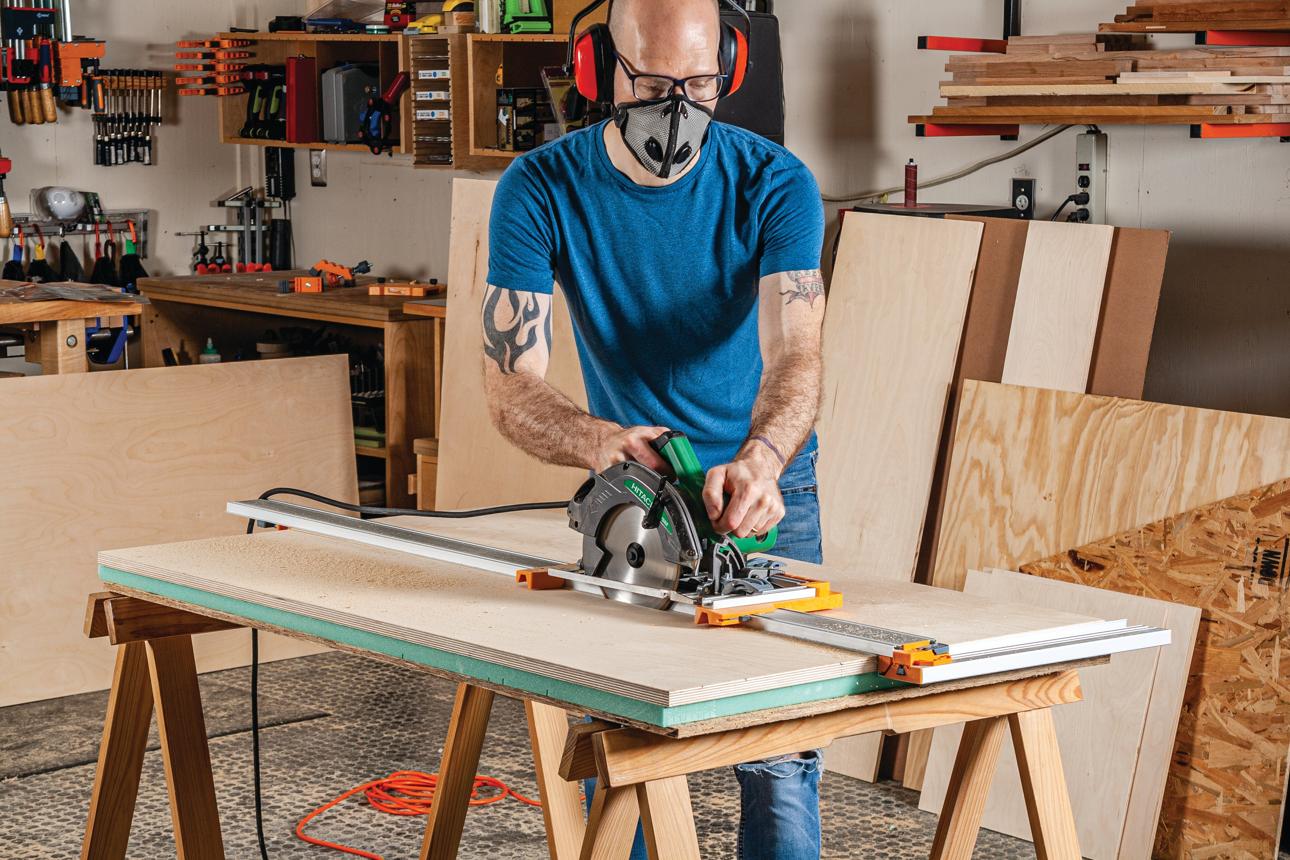
For larger projects, selected timber and sheet materials are available through bulk delivery. TradePoint also offers a timber cutting service, with the first 15 cuts free for members, subject to the applicable service conditions.
Before ordering, check product specifications, stock availability, delivery options and whether cutting services are available at your chosen location.
FAQs
What is the difference between plywood and MDF?
Plywood is made from bonded layers of wood veneer and is used for various structural and joinery applications. MDF is made from compressed wood fibres and is particularly useful for smooth painted finishes and interior furniture.
Is OSB 3 suitable for flooring?
OSB 3 can be used for suitable structural flooring applications when the board thickness, support spacing, loading and installation meet the project specification. It is not waterproof.
Can MDF be used outdoors?
Standard MDF is generally unsuitable for outdoor exposure. Moisture-resistant MDF may be suitable for certain humid interior applications but is not designed for prolonged exposure to rain or standing water.
What is the best timber for outdoor building projects?
Appropriately pressure-treated timber is a common choice for outdoor construction. The correct treatment class depends on whether the timber is exposed above ground, in contact with the ground or subject to more demanding moisture conditions.
Does TradePoint offer timber cutting?
Yes. TradePoint provides a timber cutting service, with the first 15 cuts free for members, subject to availability and service conditions.
Final Thoughts
Plywood, MDF, OSB and treated timber each serve different purposes in construction and joinery. Understanding their strengths, limitations and exposure requirements helps tradespeople choose suitable materials for everything from fitted furniture and internal partitions to roofing, flooring and outdoor structures.
TradePoint offers a useful selection of timber and sheet materials, with different sizes, thicknesses and timber types available for professional projects. Explore its range, compare specifications and plan your material requirements carefully before ordering to help keep your next building or renovation project on track.