The creator economy has changed.
A few years ago, becoming a creator often meant choosing a platform, posting consistently and hoping an audience eventually appeared.
That approach is getting harder.
In 2026, creators are competing for attention across short-form video, YouTube, newsletters, podcasts, communities, search and social platforms. At the same time, AI has made it easier to produce content, which means simply being able to create something is no longer much of an advantage.
The creators who build sustainable businesses are learning a wider set of skills.
They understand content strategy.
They know how to build an audience.
They can develop a personal brand.
They understand analytics.
They know how to package knowledge into products or services.
And increasingly, they know how to use AI without allowing their content to become generic.
That is why the smartest way to approach the creator economy in 2026 is to think in terms of a creator skill stack.
You don't need to master everything immediately. You need to build the right combination of skills that turns attention into an actual business.
What is the creator economy skill stack in 2026?
The creator economy skill stack combines content creation, audience growth, personal branding, marketing, analytics, monetisation and business skills.

A useful creator skill stack looks like this:
Skill | What it helps you do |
|---|---|
Produce useful and engaging content | |
Keep people interested | |
Become recognisable and trusted | |
Grow and distribute content | |
Create stronger visual content | |
Get discovered through search | |
Understand what is working | |
Create and repurpose content efficiently | |
Turn attention into action | |
Convert audiences into customers | |
Monetise knowledge | |
Create deeper audience relationships |
You don't need to become an expert in all twelve.
The goal is to build enough complementary skills that your content can move through the entire journey from idea to audience to income.
Why is content creation alone not enough anymore?
Because creating content and building a creator business are two different things.
You can make beautiful videos and still have no business.
You can have thousands of followers and very little revenue.
You can get millions of views on one post and struggle to repeat the result.
The difference is usually the system behind the content.
A creator business needs to answer a series of questions:
What should I create?
Who is it for?
Why would they care?
How will they find it?
Why should they trust me?
What can I offer them?
Why would they pay for it?
That is why learning only video editing or only Instagram isn't enough.
You need to understand the full journey.
Skill 1: Learn content strategy before chasing views
Content strategy should be the foundation of your creator skill stack.
Before worrying about followers, decide what you want your content to be known for.
That means choosing a niche or at least a clear area of expertise.
You might create content around:
Fitness
Personal finance
Technology
Beauty
Travel
Gaming
Career development
Food
Fashion
Education
Business
The niche doesn't have to be microscopic.
But your audience should understand why they should follow you.
A useful content strategy should also define your content pillars.
For example, a fitness creator might have three:
Education: How to train.
Lifestyle: How to make fitness fit into everyday life.
Personal: Their own progress and experiences.
This gives you enough variety without making your account feel random.
Learn content strategy on Udemy
Udemy's current content-creation catalogue includes courses designed around finding content ideas, understanding target audiences, planning content and creating content consistently.
One example is 2026 Content Creation BASICS to Become a CONFIDENT Creator, updated in March 2026. The course covers content strategy, audience definition, content ideas, planning and creating content for different platforms.
Explore content creation courses on Udemy
Skill 2: Get genuinely good at storytelling
Storytelling is what turns information into content people remember.
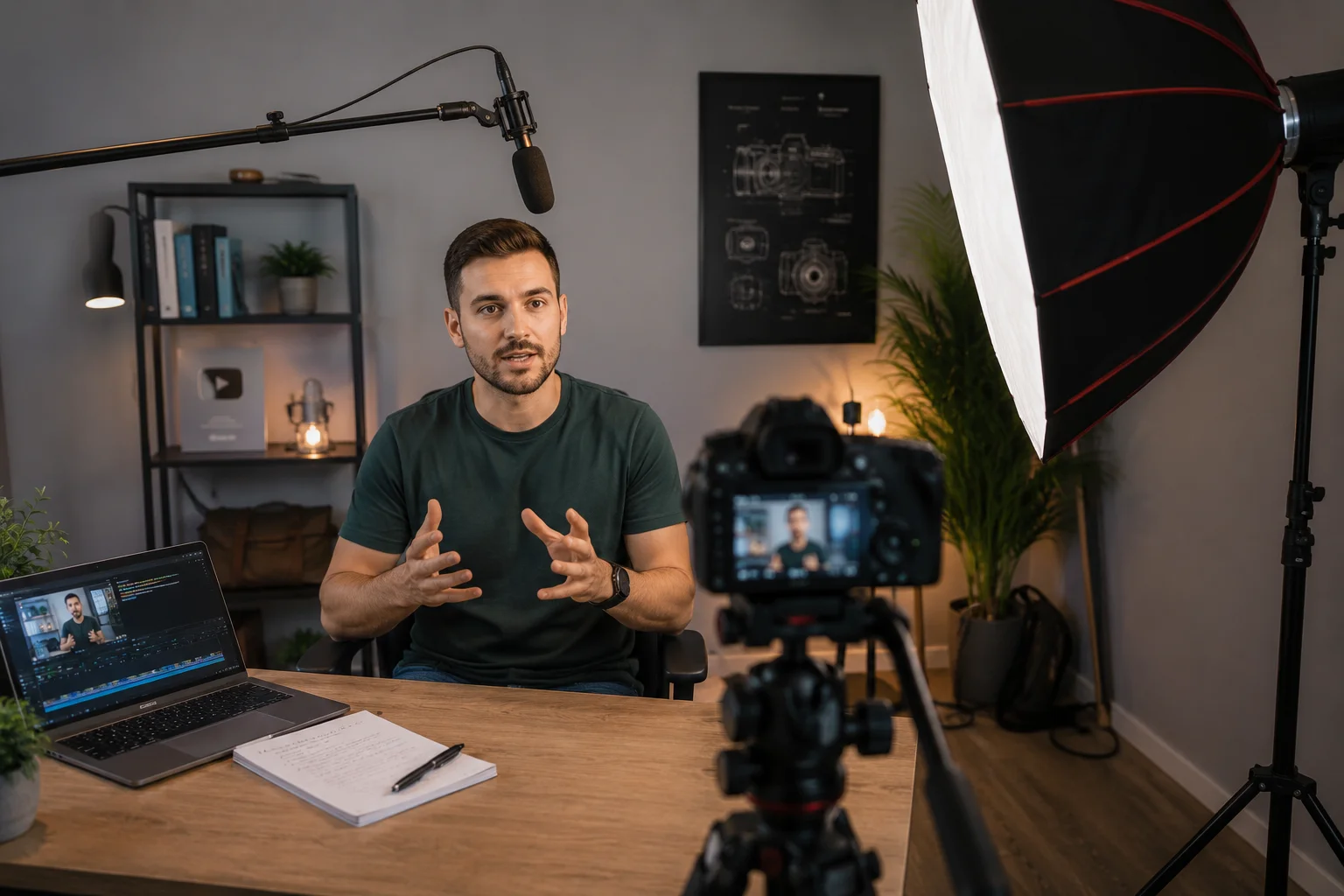
This matters because most niches are already crowded.
There are thousands of people talking about fitness.
Thousands discussing AI.
Thousands reviewing products.
Thousands making business content.
Your advantage isn't necessarily having completely new information.
It can be the way you explain it.
Instead of saying:
"Here are five productivity tips."
Tell the story of what happened when you tried five productivity systems and discovered that only two actually worked.
Instead of:
"Three things you should know about freelancing."
Explain the mistake that cost you your first client and what you changed afterwards.
People connect with experiences, tension, mistakes and outcomes.
That makes storytelling one of the most valuable skills a creator can develop.
Skill 3: Build a personal brand people can recognise
Your personal brand gives your content context and makes your audience more likely to remember you.
A creator can have good content without having a strong brand.
But when people know what you stand for, what you talk about and what perspective you bring, individual posts start working together.
Your brand can come from:
Your expertise.
Your personality.
Your visual identity.
Your opinions.
Your story.
Your approach to solving problems.
Your personal brand doesn't have to mean turning your entire private life into content.
It simply means giving people a reason to associate a particular subject or perspective with you.
Learn personal branding on Udemy
Udemy currently has dedicated personal-branding courses covering positioning, influence, visibility and building a recognisable professional identity.
For example, Personal Branding System 3.0: UNIQUE Secret for YOUR Success was updated in July 2026 and focuses on personal positioning, branding and developing the mindset, skillset and tools needed to build a personal brand.
The current Udemy personal-branding catalogue also features Personal Branding Master Course | Become THE Go-To Person, a Bestseller course covering the process of building a personal brand.
Explore personal branding courses on Udemy
Skill 4: Learn social media marketing instead of just social media posting
A creator needs to understand distribution, not just creation.

Making a video is one skill.
Getting that video in front of the right people is another.
Social media marketing teaches you how platforms, audiences, content formats, campaigns and analytics work together.
Udemy's current social media marketing catalogue includes hundreds of courses and covers content creation, engagement, analytics, advertising and audience growth.
There are also current 2026 courses that combine organic social strategy, paid advertising, branding and AI-assisted workflows.
Full Social Media Marketing 2026, updated in August 2026, covers branding, content, paid advertising, platform-specific campaigns, analytics and AI-driven workflows.
This is useful even if you don't plan to become a professional marketer.
A creator who understands distribution can make much more informed decisions about what to publish and where.
Skill 5: Learn video production without becoming obsessed with equipment
You don't need a professional studio to make good creator content.
The important skills are usually:
Framing.
Lighting.
Audio.
Editing.
Pacing.
Captions.
Hooks.
Transitions.
Thumbnail design.
The mistake is spending too much time thinking about equipment.
A better camera won't fix a boring idea.
Better lighting won't fix a weak story.
Expensive editing software won't automatically make a video engaging.
Learn the fundamentals first.
Then improve your production quality as your audience and business justify the investment.
Skill 6: Understand AI as a creator productivity tool
AI should help you create more efficiently, not replace your creative judgement.
In 2026, creators can use AI for much more than generating captions.
It can help with:
Research.
Brainstorming.
Content repurposing.
Video scripts.
Content calendars.
Headline ideas.
Audience research.
SEO research.
Transcription.
Summarisation.
Workflow automation.
The important skill is knowing where AI belongs in your process.
For example, you might use AI to generate 30 possible video ideas.
But you choose the five that actually fit your audience.
You might use AI to turn a long video into short-form concepts.
But you decide which moments are worth publishing.
That distinction matters.
The creator's value is increasingly moving away from simply producing words or images and towards ideas, judgement, expertise and perspective.
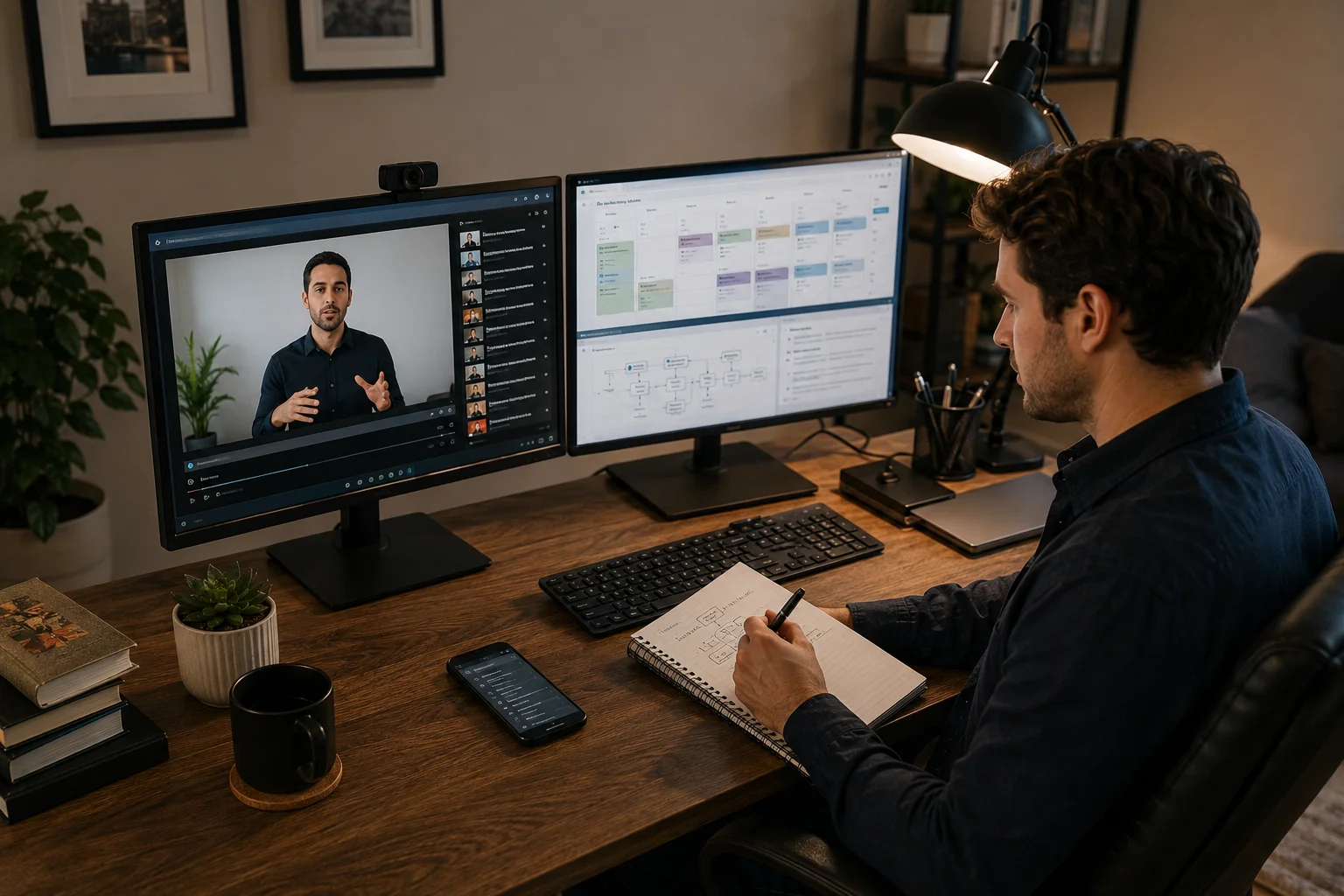
Udemy's current social media marketing catalogue reflects this shift, with 2026 courses covering AI-assisted marketing workflows alongside content, advertising and analytics.
Skill 7: Learn analytics before you try to monetise
Analytics tells you what your audience actually responds to rather than what you assume they like.
Look beyond follower counts.
Track things such as:
Views.
Watch time.
Retention.
Engagement.
Click-through rates.
Email sign-ups.
Conversions.
Revenue per product.
Returning viewers.
A post getting 100,000 views sounds impressive.
But if another post gets 10,000 views and generates 100 genuinely interested leads, the second post might be far more valuable to your business.
Analytics helps you find those differences.
It turns content creation from guesswork into experimentation.
Skill 8: Learn copywriting because attention isn't the same as action
Copywriting helps turn attention into clicks, sign-ups and sales.
Creators write constantly.
Captions.
Emails.
Landing pages.
Video hooks.
Product descriptions.
Sales pages.
Social posts.
The ability to communicate a clear benefit in a few words is therefore incredibly valuable.
A good creator might get someone to stop scrolling.
A good copywriter can then give that person a reason to keep reading.
Together, those skills become powerful.
Skill 9: Learn one real monetisation model
Don't wait until you have a huge audience before thinking about revenue.
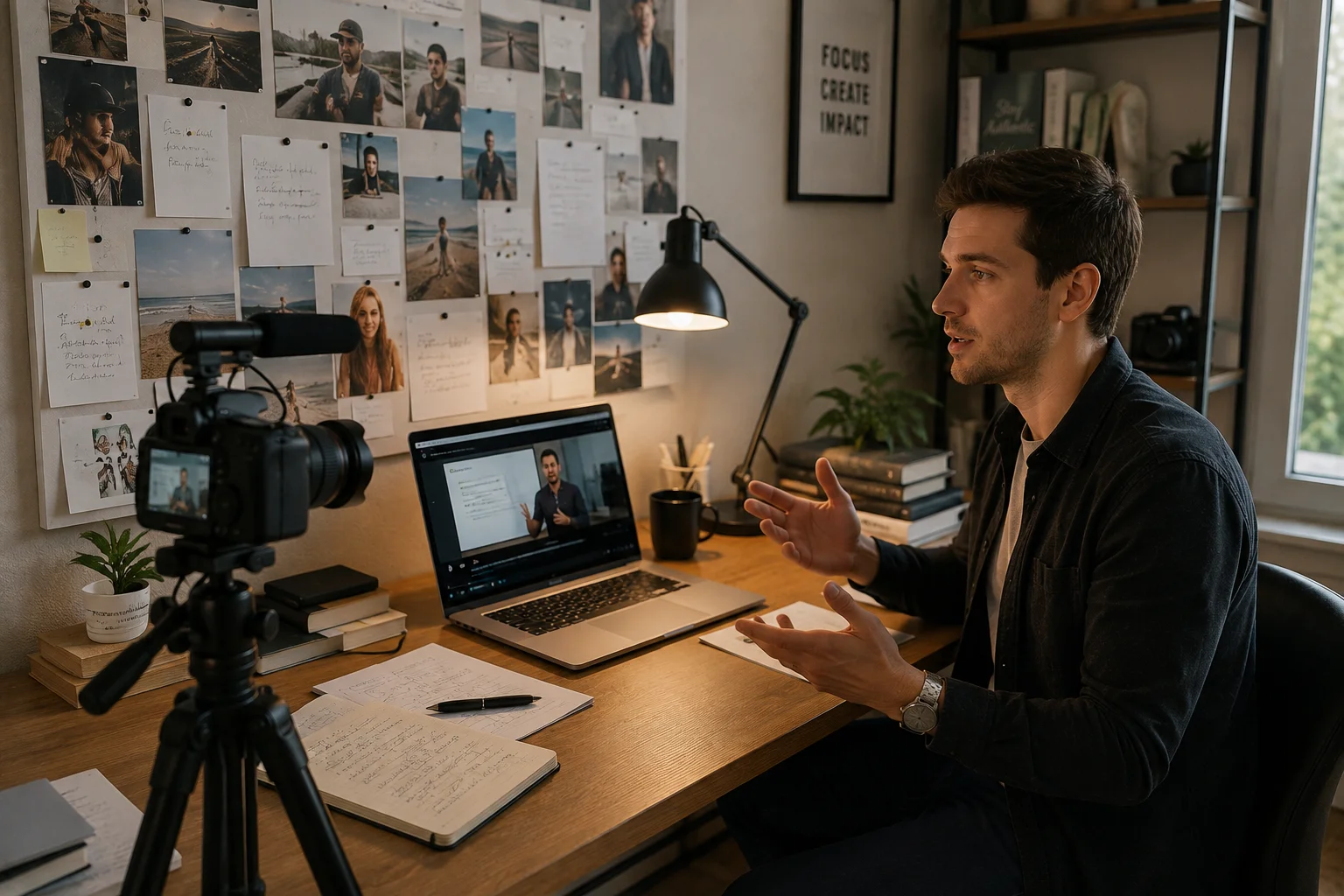
A creator business can potentially make money through several models.
These include:
Affiliate marketing.
Brand partnerships.
Digital products.
Courses.
Memberships.
Consulting.
Freelancing.
Coaching.
Subscriptions.
Merchandise.
Advertising revenue.
The right model depends on your audience.
A technology creator might recommend software through affiliate partnerships.
A fitness creator might sell programmes.
A business creator might offer consulting.
An educator might build a course.
A niche creator might develop a paid community.
You don't need ten revenue streams.
Start with one that naturally matches what your audience already wants.
Skill 10: Learn how to turn knowledge into a product
Digital products can turn the knowledge behind your content into something people can buy.
This could be:
A guide.
Template.
Notion system.
Spreadsheet.
Course.
Workshop.
Ebook.
Toolkit.
Community.
The important thing is that the product solves a problem.
Don't create a digital product simply because creators are supposed to have one.
Ask:
What does my audience repeatedly ask me?
What problem do they struggle to solve?
What could I help them accomplish faster?
That is where product ideas usually become much stronger.
Udemy itself has a broad ecosystem of learning around digital marketing, content creation, business and professional skills, which can help creators develop both the content side and the business side of this process.
What should a beginner learn first?
You don't need to learn everything at once.
A sensible progression is:
Month 1: Content strategy and storytelling.
Month 2: Video creation and personal branding.
Month 3: Social media marketing and analytics.
Month 4: Copywriting and email.
Month 5: Monetisation and digital products.
Month 6: AI workflows, automation and optimisation.
The order isn't fixed.
If you're already strong at video, for example, you might skip basic production and spend more time learning analytics and monetisation.
The point is to build a stack rather than chase individual skills randomly.
Which Udemy courses can help creators in 2026?
Udemy is particularly useful when you want to build the creator skill stack one layer at a time.
For content creation, 2026 Content Creation BASICS to Become a CONFIDENT Creator covers audience research, content ideas, planning and content creation.
For social media, The Social Media Marketing & Management Masterclass 2026 is a current Bestseller covering social media marketing, advertising, management, audience growth, freelancing and influencer development.
For broader social marketing, Full Social Media Marketing 2026 adds branding, content, paid advertising, analytics and AI-assisted workflows.
For personal branding, Udemy's current catalogue includes courses such as Personal Branding Master Course | Become THE Go-To Person and Personal Branding System 3.0, giving creators different ways to work on positioning and visibility.
That makes Udemy useful for a creator who doesn't want to learn everything through trial and error.
You can identify the skill you are missing, find a course focused on that skill, practise it and then move to the next layer.
How do creators turn skills into an actual income system?
The goal is to connect your skills into one simple funnel.
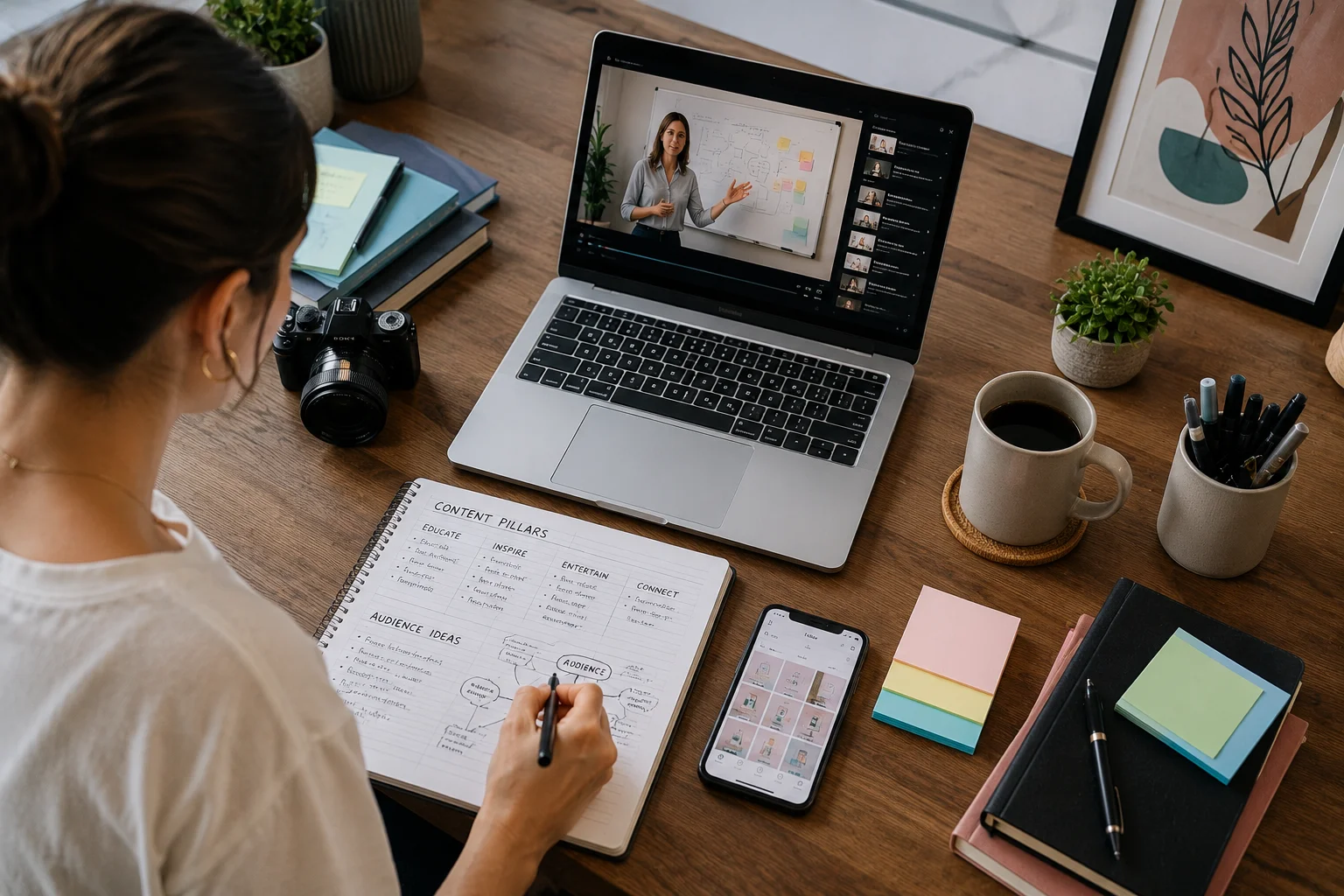
Think of it like this:
Content → Audience → Trust → Offer → Revenue
Your content attracts the right people.
Your personal brand gives them a reason to remember you.
Your expertise builds trust.
Your offer solves a problem.
Your marketing helps people discover that offer.
Your analytics tell you where the system is working and where it isn't.
This is why creator businesses can become much more interesting once you stop thinking about individual posts.
A post is just one part of the system.
What creator skills will matter most in 2026?
The most valuable skills will be the ones that combine creativity with business judgement.
AI can increasingly help produce content.
That makes human differentiation more important, not less.
Creators who understand their audience, develop strong points of view, tell good stories, build communities and understand how businesses make money have a stronger foundation.
The most useful combination may therefore be:
Creativity + communication + technology + marketing + business.
You don't need to be the best at each one.
You need enough competence across them to connect the pieces.
Creator Economy Skill Stack FAQs
Can anyone become a creator in 2026?
Almost anyone can start creating content, but building a sustainable creator business requires more than publishing regularly. You need a clear audience, useful content, distribution skills and a realistic monetisation strategy.
What is the most important creator skill?
Content strategy is a strong starting point because it determines what you create, who it is for and why the audience should care. From there, storytelling, distribution and monetisation become easier to develop.
Do I need to be good at video editing?
Not necessarily. Video editing is useful, particularly for video-first platforms, but creators can also build businesses around writing, audio, newsletters, communities, education or other formats.
How many followers do I need to make money as a creator?
There is no universal follower threshold. A smaller, highly relevant audience can sometimes be more commercially useful than a much larger audience with little interest in what you offer.
Is AI replacing content creators?
AI is changing how content is produced, but creators still provide ideas, opinions, expertise, storytelling, judgement and audience understanding. Learning how to use AI effectively can become part of the creator skill stack rather than something creators need to avoid.
Should creators learn marketing?
Yes. Content creation gets attention, while marketing helps distribute that content and connect it to an audience and business objective. Udemy's current social media marketing catalogue covers content, engagement, analytics and advertising skills relevant to creators.
Is personal branding important for creators?
Yes, particularly when the creator's expertise or personality is central to the business. A clear personal brand helps an audience understand what you represent and why they should follow you.
Can Udemy help me become a content creator?
Udemy offers courses across content creation, social media marketing, personal branding, digital marketing and related professional skills. Its current content-creation catalogue includes 2026 courses covering strategy, audience development and content planning.
What should I learn first on Udemy?
Start with the skill closest to your current bottleneck. If you don't know what to create, learn content strategy. If people aren't discovering your work, learn social media marketing. If people don't remember you, work on personal branding. If you're getting attention but no revenue, focus on copywriting and monetisation.
Do I need multiple income streams?
Not at first. One reliable monetisation model is generally more useful than five unfinished ones. Build one offer or revenue channel that fits your audience, then expand when the first system is working.
Final Thoughts
The creator economy is no longer just about becoming good at making content.
It is about becoming good at building a business around attention.
That requires a different mindset.
Learn how to create.
Learn how to communicate.
Learn how to build an audience.
Learn how to understand the numbers.
Learn how to sell without destroying trust.
Learn how to turn your knowledge into something valuable.
And learn how to use AI to make the process faster without allowing it to remove the personality that made people follow you in the first place.
That is why Udemy can be useful in 2026.
You don't have to find one course that teaches you how to become an entire creator business.
You can build the skill stack piece by piece.
Start with content creation.
Move into personal branding.
Add social media marketing.
Learn analytics.
Develop a monetisation skill.
Then add AI and automation where they genuinely improve your workflow.
Udemy's current catalogue already spans these areas, with dedicated learning paths for content creation, social media marketing and personal branding, including courses updated throughout 2026.
The creators who win won't necessarily be the people who post the most.
They will be the people who understand why they're creating, who they're creating for and how to turn that attention into something genuinely valuable.