GLP-1 medications have changed the conversation around weight management. For many people, they offer an effective medical option for reducing appetite and supporting meaningful weight loss. But as the number on the scale falls, another question deserves attention: how much of that weight is coming from body fat, and how much is coming from lean tissue?
This is why GLP-1 body composition tracking can be a useful part of a broader weight-management routine. Total weight alone cannot distinguish between fat, muscle and water changes. Monitoring these measurements can provide additional context about how the body is responding during treatment.
The Hume Health Body Pod is designed to make that information easier to follow at home. Using bioelectrical impedance analysis (BIA), it estimates body fat, muscle-related measurements and other body composition indicators, with results available through the Hume Health app.
Here is why muscle monitoring matters during GLP-1-supported weight loss, what the measurements can tell you and how Hume Health fits into the process.
Why Does Muscle Mass Matter During GLP-1 Weight Loss?

Muscle mass matters because successful weight management involves more than reaching a lower number on the scale. Preserving lean tissue supports physical strength, mobility and everyday function.
GLP-1 receptor agonist medications work through biological pathways involved in appetite regulation and glucose metabolism. By helping people feel fuller and reducing food intake, these treatments can support substantial weight reduction.
However, weight loss can involve changes in several body components, not just fat.
Research on GLP-1-based treatments has found that weight reduction generally includes a larger loss of fat mass alongside a smaller but meaningful reduction in lean mass. The exact proportions vary by medication, study population, treatment duration and measurement method.
Lean mass is also not identical to skeletal muscle. It includes other non-fat components of the body, such as organs, connective tissue and water. Therefore, a reduction in lean mass measurements should not automatically be interpreted as an equivalent loss of muscle tissue.
Still, monitoring muscle-related measurements and physical function is important, particularly for people who have nutritional challenges, experience rapid weight loss or are already at risk of muscle weakness.
Can GLP-1 Medications Cause Muscle Loss?
GLP-1-based weight-loss treatment can be associated with reductions in lean mass, although the amount varies between individuals.
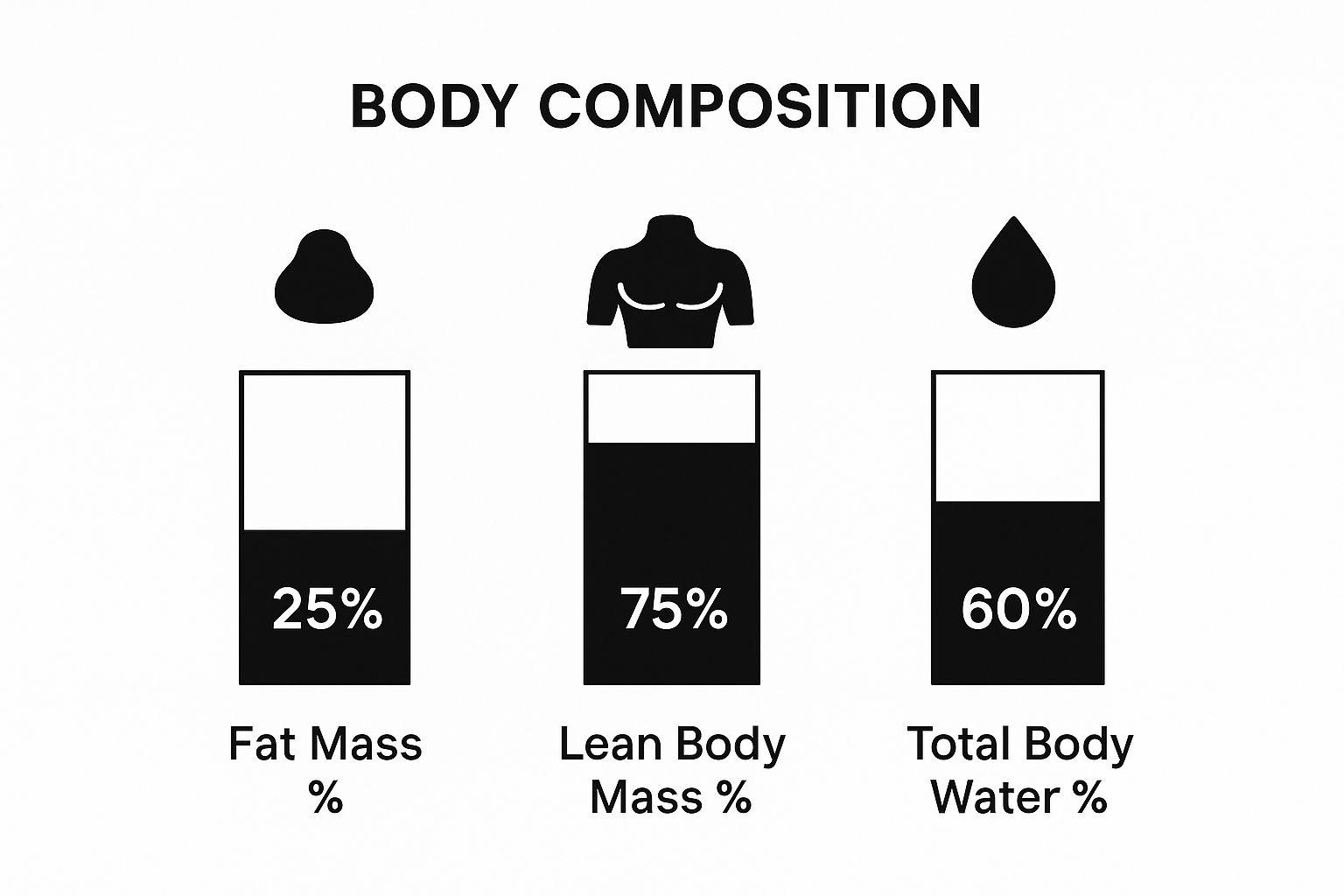
When appetite decreases and calorie intake falls, the body loses weight through changes in fat and lean tissue. The proportion of each can depend on factors such as starting body composition, nutritional intake, physical activity, age and treatment response.
A systematic review and meta-analysis published in 2025 examined body composition changes across 22 randomised controlled trials involving GLP-1 receptor agonists and co-agonists. It reported reductions in both fat mass and lean mass, with lean mass accounting for approximately one-quarter of total weight loss in the included studies.
That figure is a pooled research estimate, not a prediction for every person taking these medications.
More recent research has also emphasised that reductions in lean mass do not automatically mean clinically significant muscle deterioration. Muscle strength, physical performance and overall function matter alongside estimates of muscle quantity.
The practical takeaway is not to fear every reduction in lean mass. It is to understand the changes, maintain appropriate nutrition and physical activity, and discuss concerns with the healthcare professional overseeing treatment.
What Is the Difference Between Weight Loss, Fat Loss and Muscle Loss?
These terms describe different changes, and understanding them makes body composition tracking more useful.
Weight loss means a reduction in total body weight. It can involve fat, muscle, water and other tissues.
Fat loss refers to a reduction in the body's stored fat. This is often a central goal of medical weight-management programmes.
Muscle loss refers to a reduction in muscle tissue. It can affect strength and physical function, particularly when substantial or accompanied by inadequate nutrition and inactivity.
A simple example illustrates why the distinctions matter.
Imagine someone loses 20 pounds during a weight-management programme. A conventional scale confirms the reduction, but it cannot show how much came from fat, lean tissue or water.
A body composition assessment provides additional estimates that can help explain the change.
This is especially relevant during GLP-1 treatment because a lower body weight does not, by itself, establish whether muscle is being adequately maintained.
Which Body Composition Measurements Should GLP-1 Users Monitor?
Tracking several related measurements can provide more context than focusing on weight alone. The most useful metrics are those that help users and their healthcare professionals understand changes in fat, lean tissue and physical function.
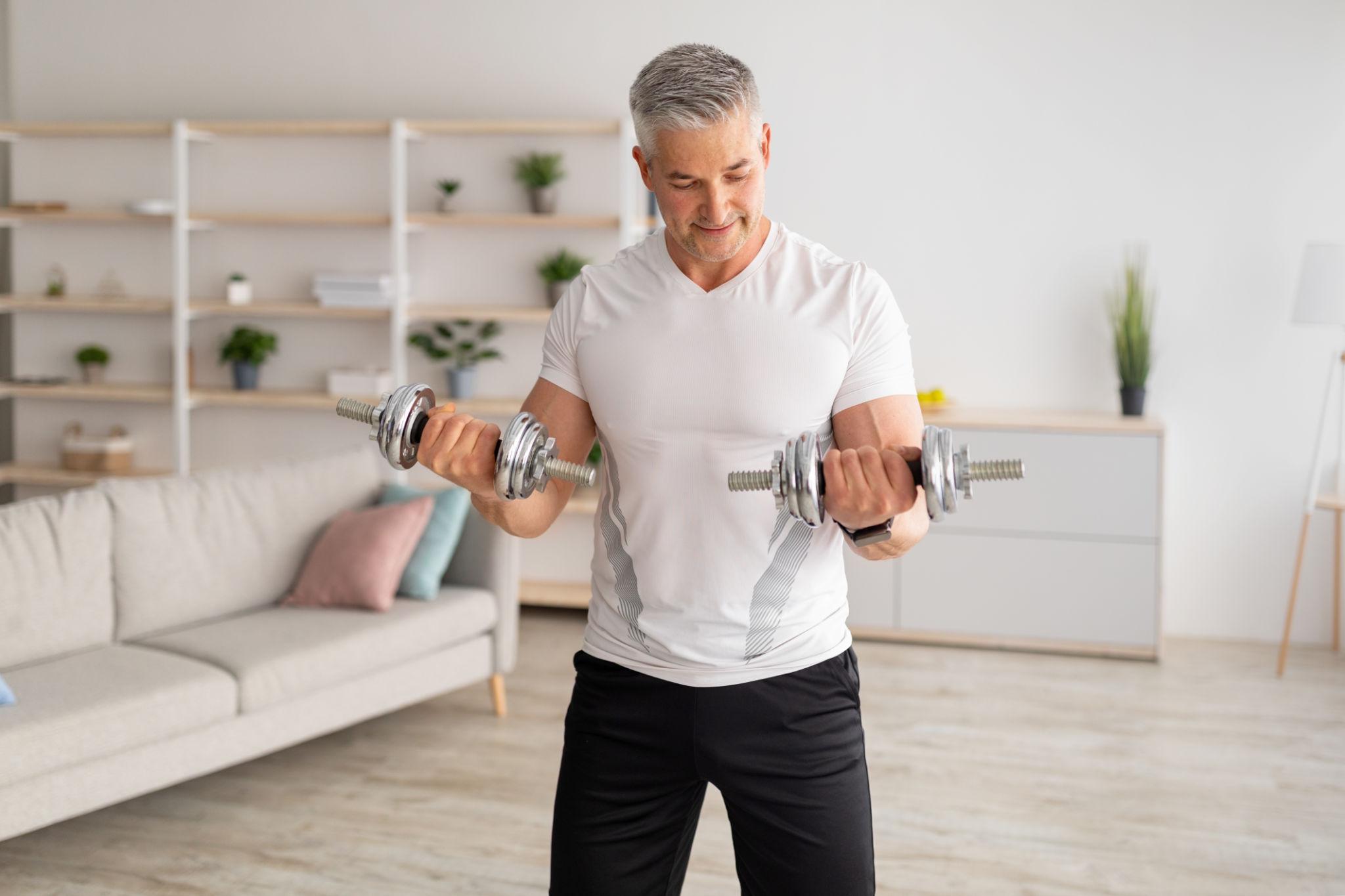
Body Fat Percentage and Fat Mass
Body fat percentage estimates the proportion of total body weight made up of fat. Fat mass expresses the estimated amount of fat in weight units.
Following both measurements can help users understand whether weight reduction is accompanied by changes in estimated body fat.
For example, a downward trend in fat mass alongside relatively stable muscle-related estimates may be consistent with the intended direction of body recomposition.
Skeletal Muscle and Lean Mass Estimates
Muscle-related measurements are important when the goal is to reduce fat while maintaining strength and physical function.
A smart body composition scale may estimate overall muscle mass and skeletal muscle-related values. These can help users observe trends during treatment.
However, BIA devices do not directly measure muscle tissue. Their estimates can be influenced by hydration and other factors, so they should not be treated as definitive proof of muscle gain or loss.
Body Water
Changes in hydration can influence both body weight and BIA measurements.
For example, reduced fluid intake, changes in eating habits or gastrointestinal symptoms may affect body water. This can make a single body composition reading appear different even when underlying fat or muscle tissue has not changed significantly.
Monitoring water-related estimates can therefore provide useful context when interpreting other measurements.
Physical Strength and Function
A scale cannot measure how strong someone is or how easily they perform everyday movements.
Strength, exercise performance, walking ability and mobility are important complements to body composition data. If someone notices declining strength, unusual fatigue or difficulty with normal activities, they should discuss these changes with their healthcare professional.
How Does Hume Health Body Pod Support GLP-1 Body Composition Tracking?
The Hume Health Body Pod is designed for people who want more information about their body composition than a conventional weighing scale provides.
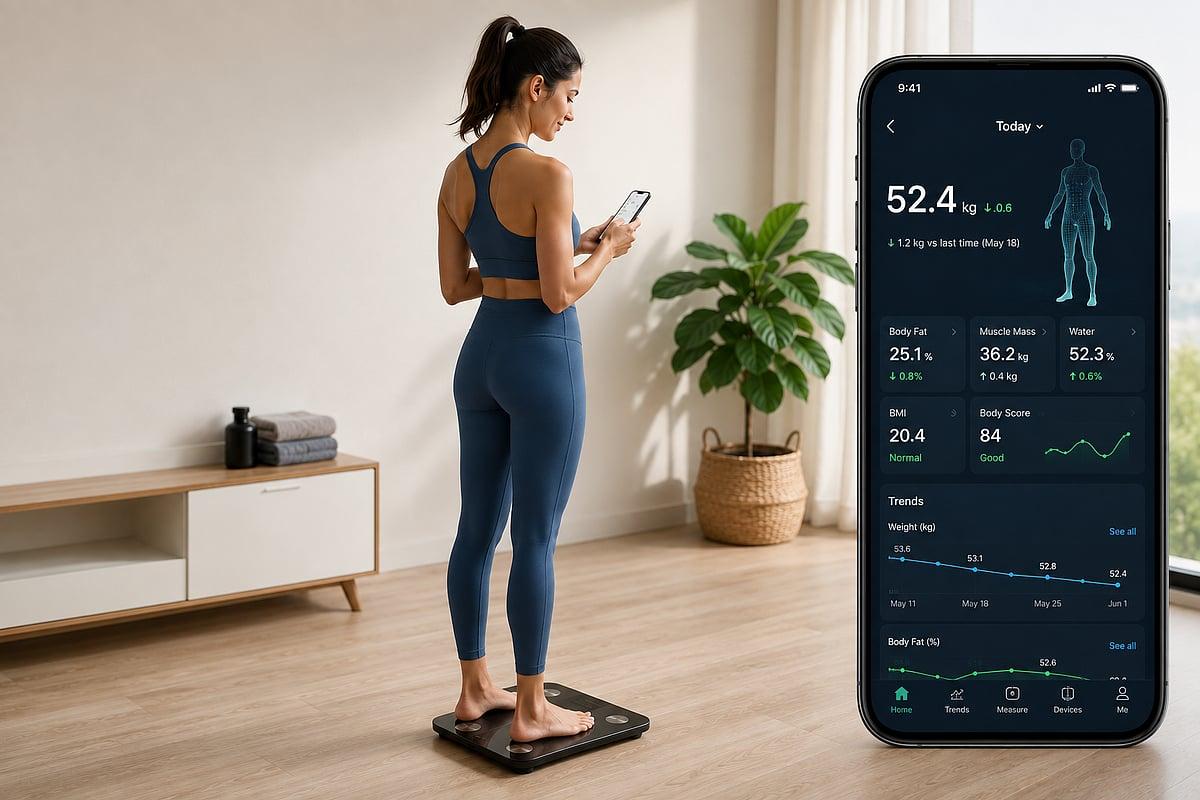
It uses multi-frequency bioelectrical impedance analysis and hand-and-foot contact points to estimate different body composition measurements. The brand's GLP-1-focused offering highlights tracking fat mass, muscle-related measurements, body water and segmental composition.
Some of the relevant features include:
Body fat tracking: Review estimated body fat percentage and fat mass alongside total weight.
Muscle-related measurements: Monitor estimated muscle and skeletal muscle trends during a weight-management programme.
Segmental estimates: Explore measurements across different body areas rather than relying exclusively on a single whole-body figure.
Water-related measurements: Review estimated body water as additional context when interpreting changes.
Connected app history: View measurements and progress graphs through the Hume Health app, making it easier to compare readings over time.
Hume advertises more than 45 body composition measurements and related indicators for its Pod experience. These are estimates generated through the device's measurement technology, not 45 independent clinical tests.
For someone using GLP-1 medication, the potential value is having a repeatable way to observe body composition trends between professional appointments. It can help provide a more detailed picture than weight tracking alone.
Explore the Hume Health GLP-1 body composition tracking page or visit the Hume Health Body Pod product page for current product details.
How Can You Support Muscle Preservation During GLP-1 Treatment?
Monitoring measurements is only one part of supporting muscle health. Nutrition, resistance exercise and appropriate medical follow-up are also important.
The 2025 joint advisory from the American College of Lifestyle Medicine, American Society for Nutrition, Obesity Medicine Association and The Obesity Society highlights the importance of nutritional adequacy and structured exercise during GLP-1-based obesity treatment.
Here are some areas to discuss with your healthcare team.
Prioritise Adequate Protein Intake
Protein provides amino acids needed for tissue maintenance and repair. When appetite is reduced, it may become more difficult to consume enough food and meet nutritional needs.
Protein-rich foods can include eggs, fish, poultry, Greek yoghurt, cottage cheese, tofu, beans and lentils.
Individual protein requirements vary with body size, age, activity level, kidney function and medical circumstances. A registered dietitian can help determine an appropriate intake, especially if treatment-related appetite changes make regular meals difficult.
Include Resistance Training
Resistance exercise is important because it provides a stimulus that helps maintain muscle during weight reduction.
Depending on individual ability and medical guidance, this may involve:
Bodyweight exercises such as squats and wall push-ups.
Resistance bands.
Weight machines.
Free-weight exercises.
Supervised strength-training sessions.
The right programme depends on fitness level, health conditions and previous exercise experience. People who are new to resistance training may benefit from guidance from a qualified fitness professional.
Maintain Overall Nutritional Adequacy
Reduced appetite can make it easier to fall short of energy, protein, fibre, vitamins and minerals.
Eating nutrient-dense meals and addressing persistent nausea, vomiting or other gastrointestinal symptoms can help support a more sustainable routine.
Do not assume that protein supplements or restrictive diets are automatically appropriate. A healthcare professional or registered dietitian can help identify individual nutritional needs.
Discuss Changes with Your Prescriber
Body composition readings should not be used to change medication doses independently.
If you experience rapid weight loss, difficulty eating, persistent gastrointestinal symptoms, unusual weakness or declining physical function, discuss these concerns with your prescribing clinician. They can assess your overall response and determine whether your treatment or support plan needs attention.
How Often Should You Track Body Composition During GLP-1 Treatment?

A consistent weekly measurement routine can be a practical starting point for observing longer-term body composition trends.
Daily readings can fluctuate because of hydration, meals, exercise and other normal changes. Frequent measurement is not necessarily more informative if the results create confusion or anxiety.
For more consistent comparisons:
Measure at a similar time of day.
If practical, take readings in the morning after using the bathroom and before eating.
Use the same device and measurement conditions.
Follow the manufacturer's instructions for electrode contact.
Avoid measuring immediately after exercise.
Review trends across several weeks rather than reacting to one result.
The appropriate frequency can vary. Your healthcare team may recommend a different schedule depending on your treatment, health status and monitoring needs.
How Accurate Is At-Home Muscle Mass Monitoring?
At-home body composition devices can be useful for tracking trends, but their estimates should not be confused with direct measurements of muscle tissue.
The Hume Body Pod uses bioelectrical impedance analysis. This technology estimates body composition by measuring how electrical signals travel through the body and applying prediction models.
Results can vary with hydration, recent meals, exercise, body temperature and other factors. Even when measurements are repeated under similar conditions, individual estimates may differ from those produced by reference methods such as DXA.
A consumer scale can therefore support routine monitoring, but it cannot diagnose sarcopenia, determine muscle quality or replace a clinical assessment.
If accurate body composition measurement is needed for a medical reason, a healthcare professional can recommend an appropriate assessment. They may also evaluate strength and physical performance, which are important when considering muscle health.
Who Should Consider GLP-1 Body Composition Tracking?
Body composition tracking may be useful for people who want a broader understanding of changes during a medically supervised weight-management programme.
It may be particularly relevant for:
People using prescribed GLP-1-based medication who want to monitor more than total weight.
Individuals following a strength-training routine alongside weight management.
People concerned about maintaining muscle during significant weight reduction.
Adults who want to compare fat and muscle-related trends over time.
Individuals working with clinicians or dietitians who want additional home measurements to discuss during appointments.
It is not essential for every person taking GLP-1 medication. A conventional scale, regular clinical follow-ups and functional assessments may be sufficient for some individuals.
The best monitoring approach is the one that supports informed decisions without creating unnecessary pressure to interpret every number.
Frequently Asked Questions
Can you lose muscle while taking GLP-1 medication?
Yes. Weight loss during GLP-1-based treatment can involve reductions in both fat and lean mass. The amount varies between individuals. Adequate nutrition, resistance exercise and appropriate clinical monitoring can help support muscle preservation.
Does GLP-1 weight loss always cause muscle loss?
No. Changes in lean mass vary across individuals and treatment programmes. Some reduction in lean mass may occur during weight loss, but it does not automatically indicate clinically significant muscle deterioration.
What is the best way to monitor muscle loss during GLP-1 treatment?
A combination of body composition assessments, strength measurements and physical-function evaluations can provide a more complete picture. At-home smart scales may help track estimated trends, while clinicians can recommend more detailed assessments when necessary.
Can Hume Health Body Pod distinguish fat loss from muscle loss?
The Body Pod estimates body fat, muscle-related measurements and other body composition indicators using bioelectrical impedance analysis. These estimates can help users observe trends, but they do not directly measure fat or muscle tissue.
How often should GLP-1 users check their body composition?
A consistent weekly routine may be useful for following trends, although individual monitoring needs vary. Healthcare professionals may recommend different intervals depending on treatment progress and health circumstances.
Should I change my GLP-1 dose if my muscle mass estimate decreases?
No. Do not change or stop prescribed medication based on a smart scale reading. Discuss unexpected changes, weakness or concerns about your progress with your prescribing clinician.
Final Thoughts
Weight reduction is only one part of a successful weight-management journey. During GLP-1 treatment, understanding changes in body fat, lean mass and physical function can provide a more complete picture than total weight alone.
The Hume Health Body Pod offers an at-home way to monitor estimated body composition measurements and review their trends through a connected app. It can complement a broader routine that includes appropriate nutrition, resistance exercise and professional medical guidance.
The most important goal is not simply to become lighter. It is to support healthier, sustainable progress while paying attention to strength, nutrition and overall well-being.