Cardiovascular disease (CVD) remains one of the most significant public health challenges in the United States. Many cardiovascular risk factors, including high blood pressure, elevated cholesterol, diabetes and smoking, can develop or persist without obvious symptoms. As a result, people may not recognise their risk until they experience a serious health event or undergo a clinical assessment.
Traditional screening approaches depend heavily on appointments, healthcare professionals and access to medical facilities. While these remain essential, digital health platforms and artificial intelligence (AI) are creating additional opportunities to identify people who may benefit from earlier assessment and preventive care.
AI health screening can help healthcare organisations collect relevant information, apply clinically validated risk models and organise follow-up across large populations. When combined with accessible digital assessments and appropriate clinical oversight, these technologies can make preventive health programmes easier to deliver at scale.
Huma is contributing to this development through its Cardiovascular Disease (CVD) AI Screening solution. The platform combines digital questionnaires, validated clinical models, structured risk insights and clinician workflows to help healthcare organisations support cardiovascular risk identification and prevention.
For US healthcare providers, payers and public health organisations, this approach highlights how population health technology can support more proactive cardiovascular care.
What Is AI Health Screening?
AI health screening uses artificial intelligence, clinical algorithms and digital health information to help identify individuals who may have an increased risk of particular health conditions.
Rather than replacing conventional medical examinations, these tools can support the initial identification and prioritisation of people who may need further assessment.
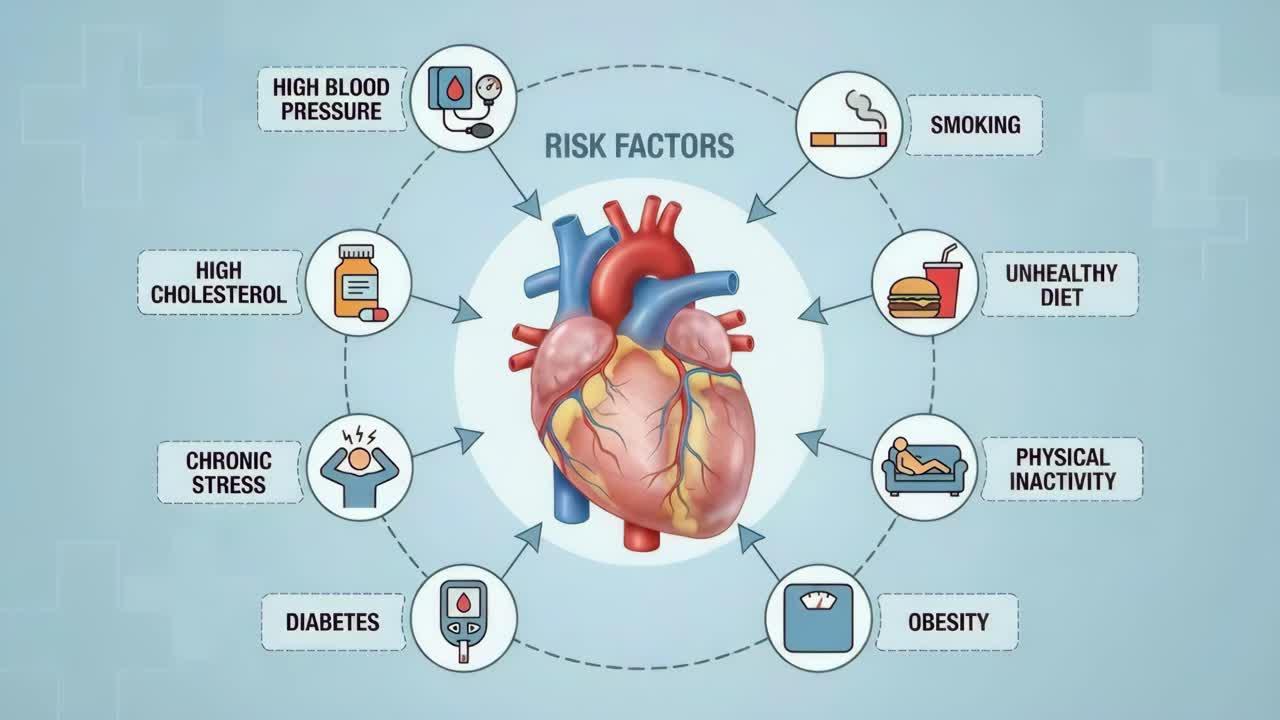
Depending on the programme, digital screening systems can collect information such as:
Age and relevant demographic characteristics.
Personal and family medical history.
Lifestyle factors, including smoking and physical activity.
Patient-reported symptoms and health information.
Blood pressure and other available vital signs.
Relevant clinical measurements and health records.
AI models and validated clinical algorithms can analyse this information to generate risk estimates or structured insights.
For cardiovascular health, this may help healthcare teams identify people who could benefit from additional evaluation, preventive guidance or follow-up appointments.
An important distinction is that a screening result is not a medical diagnosis. A risk score indicates potential risk and should be interpreted within an appropriate clinical pathway.
Why Is Cardiovascular AI Screening Important?
Cardiovascular AI screening is important because many risk factors can remain unnoticed without regular health assessments.
According to the US Centers for Disease Control and Prevention (CDC), heart disease is a leading cause of death in the United States. Identifying and managing modifiable risk factors is therefore an important part of cardiovascular prevention.
However, reaching people who have not recently attended a healthcare appointment can be difficult.
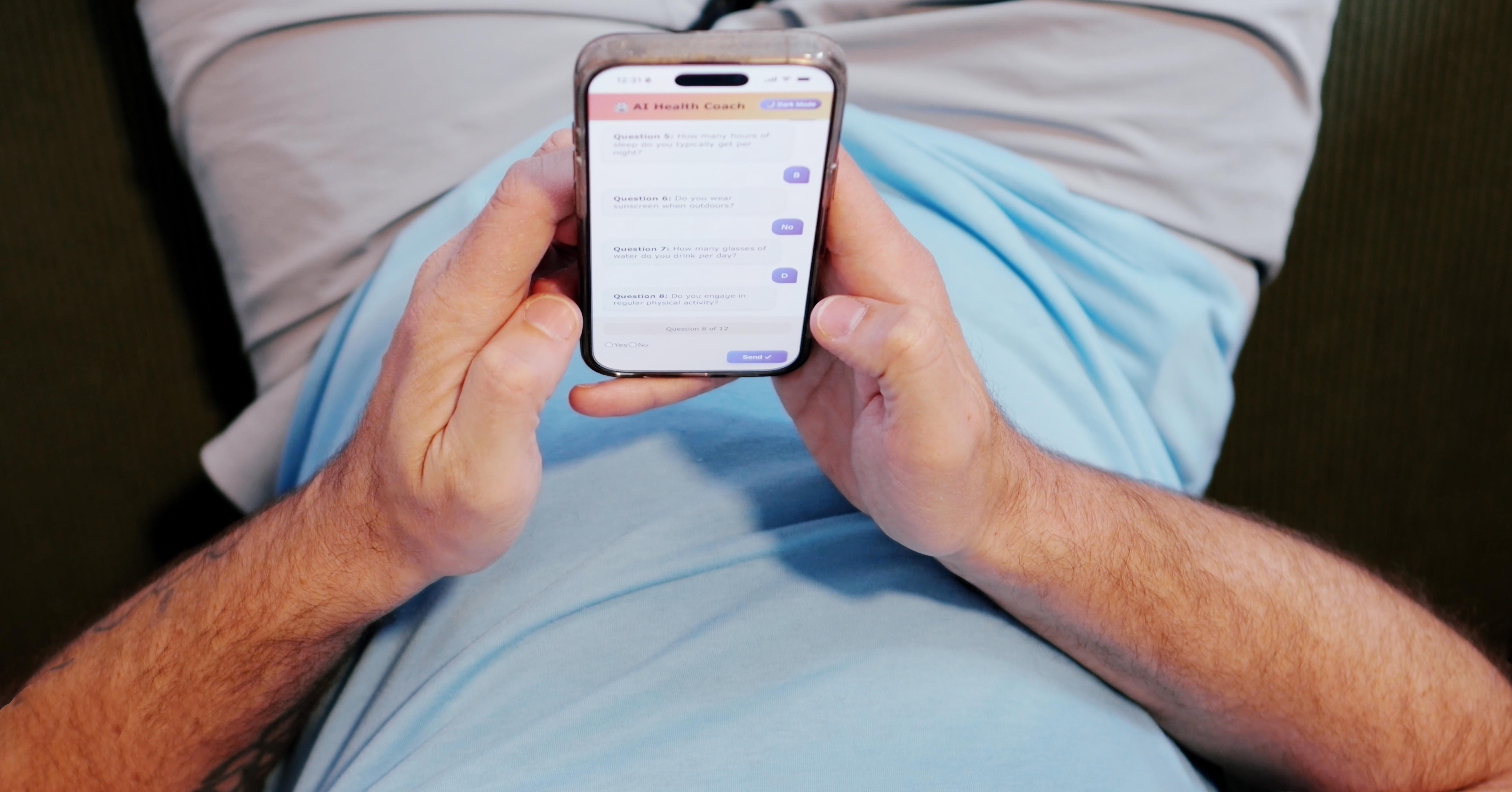
Digital screening can help address this challenge by making selected assessments available through smartphones, tablets and computers. Instead of requiring every person to begin with an in-person appointment, healthcare organisations can invite eligible populations to complete an initial digital assessment.
This can support several public health objectives:
Earlier risk identification: Digital assessments can help identify people who may have elevated cardiovascular risk and require further evaluation.
Wider population reach: Online questionnaires and device-compatible platforms can make screening programmes accessible beyond traditional clinical settings.
More efficient prioritisation: Structured risk information can help healthcare teams organise follow-up according to programme-defined clinical criteria.
Ongoing monitoring: Repeated assessments can help organisations understand changes in cardiovascular health indicators over time.
Better preventive engagement: Digital platforms can provide relevant information and encourage people to discuss their health with qualified professionals.
These benefits depend on appropriate screening design, clinical validation, access to follow-up services and the ability to engage the populations being served.
How Does AI Cardiovascular Risk Assessment Work?
AI cardiovascular risk assessment generally combines patient information with clinical models or analytical systems to estimate the likelihood of future cardiovascular events or identify potential risk patterns.
The exact process depends on the model, the information available and the intended clinical use.
A typical digital screening pathway involves several stages.
Collecting Patient Information
The process begins with gathering relevant information about an individual's health.
A digital questionnaire may ask about age, medical history, lifestyle and other cardiovascular risk factors. Depending on the programme, patients may also provide blood pressure readings or other health measurements.
Some platforms can connect with compatible devices or use smartphone-based measurement capabilities to collect additional information.
Applying Validated Clinical Models
The collected information is processed using an appropriate clinical model or risk assessment algorithm.
For example, established cardiovascular risk equations can estimate the likelihood of certain cardiovascular events over a defined period. In the United States, the American Heart Association's PREVENT equations provide a framework for estimating cardiovascular, kidney and metabolic risk.
AI can support the processing and interpretation of health information, but the specific model must be appropriate for the population and intended use.

Generating Structured Risk Insights
The system converts the collected information into a result that can be understood and used within the screening programme.
Depending on the tool, this may include a risk score, relevant health indicators or a recommendation for further clinical assessment.
The result should communicate its limitations clearly. A low estimated risk does not rule out cardiovascular disease, and an elevated score does not establish a diagnosis.
Supporting Clinical Follow-Up
The final stage is connecting screening information with an appropriate healthcare pathway.
People identified as potentially needing additional assessment may be directed towards a healthcare professional for further evaluation.
This step is essential. Screening has limited value if people receive risk information but cannot access the clinical services needed to interpret and act on it.
How Digital Health Screening Supports Population Health
Population health programmes aim to improve health outcomes across groups of people rather than focusing only on individual appointments.
Digital health screening can support these programmes by creating a more consistent process for inviting participants, collecting information, identifying potential risks and coordinating follow-up.
For example, a healthcare organisation may want to assess cardiovascular risk among adults enrolled in a community health initiative.
A digital programme could:
Invite eligible participants to complete an online assessment.
Collect relevant lifestyle and health information.
Apply an appropriate risk assessment model.
Organise results for review through clinician workflows.
Direct selected participants towards further evaluation.
Track participation and programme-level outcomes.
This approach can help organisations understand where screening participation is low, which groups may need additional engagement and how follow-up services are being used.
For US health systems, payers and public health organisations, population-level dashboards and structured digital workflows can also support programme planning and operational oversight.
However, digital access alone does not guarantee equitable screening. Programmes must account for language, disability, digital literacy, internet access and differences in healthcare access.
How Huma Supports AI-Powered Cardiovascular Screening
Huma provides digital health infrastructure designed to support healthcare delivery, remote monitoring, clinical research and population health programmes.
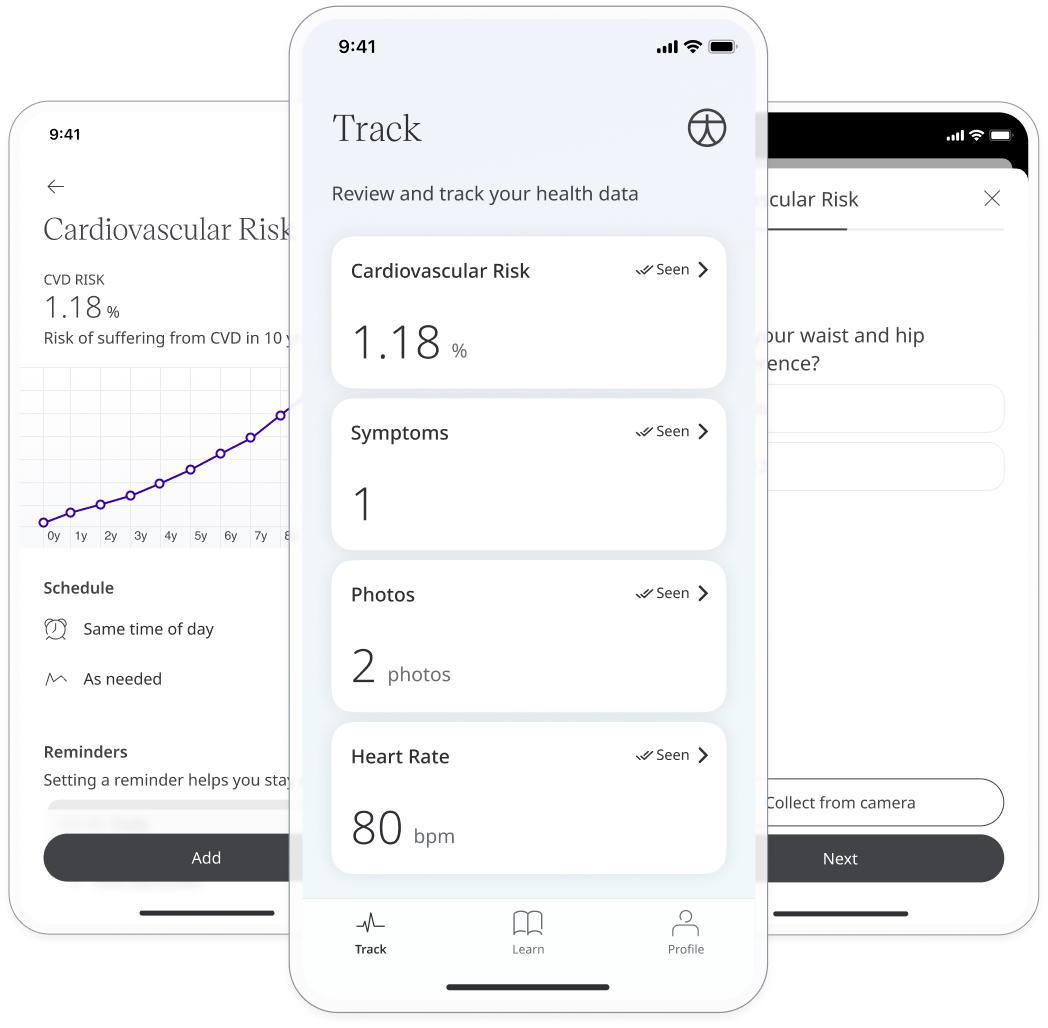
Its CVD AI Screening solution focuses on helping healthcare organisations extend cardiovascular risk assessment beyond traditional appointment-based workflows.
The platform brings together patient-facing digital assessments, clinical models, structured insights and clinician workflows.
Heart Health Score and Digital Assessments
Huma's CVD AI Screening experience includes digital assessments such as its Heart Health Score.
People can complete questionnaires through a smartphone, tablet or computer without needing specialised screening hardware for the basic digital assessment.
The process is designed to collect relevant information and turn responses into understandable insights about heart health.
This can make it easier for organisations to engage people who may not regularly attend preventive health appointments.
Clinically Validated Risk Models
Huma describes its screening solution as using validated clinical models to interpret assessment information and support cardiovascular risk understanding.
Its broader Huma Intelligence capabilities also include cardiovascular disease risk prediction using clinically validated models trained on large population datasets.
This distinction matters because AI health screening should not rely on untested predictions. Clinical models need appropriate evidence, validation and evaluation for their intended use.
Huma's platform is designed to bring these capabilities into digital screening and healthcare workflows rather than treating AI as an isolated feature.
Structured Clinician Workflows
Huma's CVD AI Screening is designed to provide care teams with structured information that can support follow-up and prioritisation.
Instead of relying exclusively on manually collected information, healthcare organisations can use digital assessment results to help organise screening pathways.
This can support:
Identifying individuals who may need additional assessment.
Prioritising follow-up according to programme criteria.
Supporting more informed heart-health conversations.
Tracking progress through ongoing assessments.
Reducing some administrative work associated with data collection and triage.
Clinical professionals remain responsible for interpreting results and determining appropriate next steps.
Camera-Based Vital Sign Capabilities
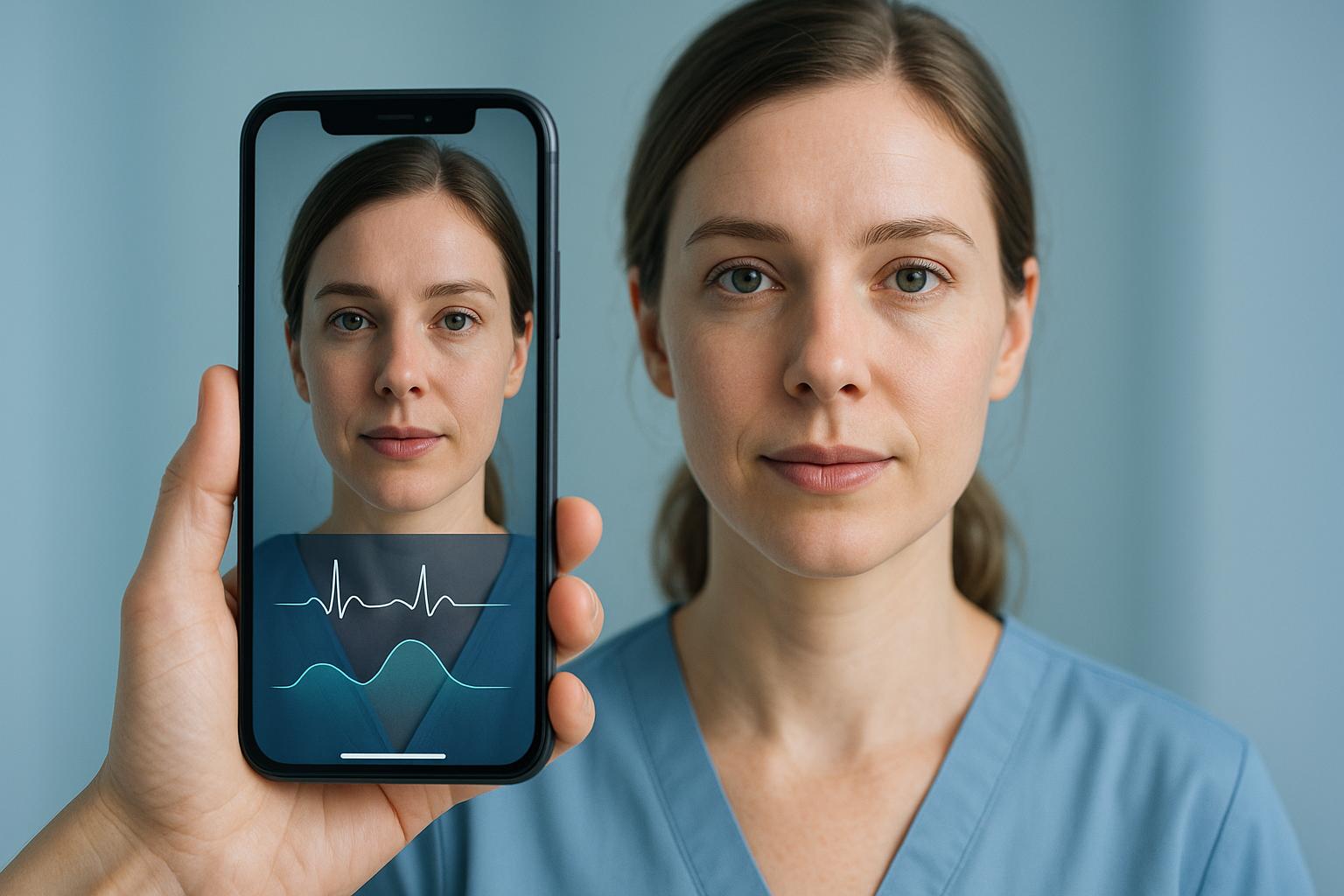
Huma also highlights camera-based vital sign capabilities within its screening technology.
Using a compatible smartphone camera, the platform can explore additional measurements such as heart rate.
This can reduce reliance on specialised hardware for certain digital assessments. However, camera-based measurements should not be confused with a complete cardiovascular examination or a substitute for clinically indicated measurements such as blood pressure.
Their usefulness depends on the specific measurement, validation evidence, device compatibility and intended clinical application.
Designed for Large-Scale Programmes
Huma positions its CVD AI Screening solution for population-level initiatives involving healthcare systems, research institutions and public health partners.
The company reports more than 500,000 assessments completed across studies and programmes, alongside deployments across three or more regions.
These figures describe Huma's broader platform activity rather than proving a particular cardiovascular screening outcome or US-wide deployment.
For organisations planning large screening initiatives, the important consideration is whether the technology can support their target population, clinical requirements, data governance and follow-up capacity.
What Are the Benefits of AI Health Screening for Healthcare Organisations?
AI-powered digital screening can provide operational and clinical support when integrated into a well-designed prevention programme.
Potential benefit | How it can support healthcare |
|---|---|
Wider screening access | Allows eligible people to complete assessments through digital channels |
Structured information collection | Standardises how relevant patient information is gathered |
Risk-based prioritisation | Helps organise follow-up for people who may need further assessment |
Reduced administrative burden | Automates selected collection and triage processes |
Population-level insights | Helps organisations understand participation and risk patterns |
Ongoing tracking | Supports repeated assessments and monitoring over time |
The benefits are not automatic. Organisations need appropriate clinical protocols, data quality controls, staff training and access to follow-up services.
A screening programme should also measure meaningful outcomes, such as participation, completion of recommended follow-up and changes in relevant risk factors, rather than relying only on the number of digital assessments completed.
What Challenges Should Healthcare Organisations Consider?
Despite the potential of AI health screening, several issues need careful attention before deploying cardiovascular screening technology.
Clinical validation: Risk models must be evaluated for the population and intended use. Performance should be monitored as the programme expands.
Data privacy: Cardiovascular screening involves sensitive personal health information. US organisations must assess applicable HIPAA obligations, security controls, consent requirements and data-sharing arrangements.
Algorithmic fairness: Models may perform differently across demographic groups if their development or validation datasets are not representative. Organisations should evaluate performance across the populations they intend to serve.
Digital inclusion: Some people may lack smartphones, reliable internet access or confidence using digital tools. Alternative screening pathways remain important.
Clinical follow-up: Screening programmes must have a clear process for reviewing results and arranging further evaluation when appropriate.
Regulatory requirements: Depending on its functionality and intended use, an AI-enabled health technology may fall under applicable medical device and clinical decision-support regulations. Organisations should verify the regulatory status of the specific product and deployment.
Avoiding false reassurance: A screening score cannot guarantee that someone is free from cardiovascular disease. People with symptoms or clinical concerns need appropriate medical assessment regardless of a digital result.
Addressing these considerations helps ensure that AI supports safe, responsible and useful cardiovascular prevention.
What Is the Future of Population-Scale Cardiovascular Screening?
The future of cardiovascular screening is likely to involve closer integration between digital assessments, connected devices, clinical records and predictive analytics.

Several developments could shape this progress.
More accessible screening: Digital invitations and device-compatible assessments may help healthcare organisations reach people who have limited contact with traditional care settings.
More connected health information: Interoperability between digital platforms and electronic health records could make relevant information easier for authorised healthcare teams to review.
More personalised prevention: Better use of health history, lifestyle information and validated risk models may help clinicians tailor preventive conversations and follow-up.
Continuous risk monitoring: Periodic digital assessments and connected measurements could help identify changes that warrant clinical attention.
More measurable public health programmes: Population dashboards and structured reporting could help organisations evaluate participation, follow-up and programme performance.
Huma's CVD AI Screening solution reflects this direction by combining digital assessments, validated models and clinician-facing workflows within a population health platform.
The broader opportunity is to make cardiovascular prevention more proactive, accessible and connected, while preserving clinical judgement and appropriate medical oversight.
Frequently Asked Questions
What is AI health screening?
AI health screening uses digital information, clinical algorithms and artificial intelligence to help identify people who may have an increased risk of a health condition. It can support early assessment and follow-up but does not independently establish a medical diagnosis.
How does AI screen for cardiovascular risk?
AI-enabled cardiovascular screening can analyse information such as age, medical history, lifestyle factors and available health measurements. Depending on the model, it can generate risk estimates or structured insights to help healthcare professionals determine whether further assessment may be appropriate.
What is cardiovascular AI screening?
Cardiovascular AI screening refers to the use of AI-supported digital tools and clinical models to help identify potential cardiovascular risk across individuals or populations. It can support preventive health programmes, risk prioritisation and clinical follow-up.
Can digital health screening work at population scale?
Yes. Digital platforms can support large programmes by automating invitations, questionnaires, information collection and selected triage workflows. Successful implementation also requires suitable clinical capacity, data protection and accessible alternatives for people who cannot use digital services.
How does Huma support cardiovascular AI screening?
Huma's CVD AI Screening solution combines digital assessments such as the Heart Health Score, validated clinical models, structured risk insights and clinician workflows. Its technology is designed to help healthcare organisations support cardiovascular risk identification and population-level prevention programmes.
Does AI cardiovascular screening replace a doctor?
No. AI screening supports information collection and risk assessment, but qualified healthcare professionals remain responsible for interpreting results, making diagnoses and deciding on treatment or further investigation.
Can a smartphone screen for heart disease?
A smartphone can support certain digital health assessments and measurements, including some camera-based vital sign capabilities. However, it cannot independently provide a complete cardiovascular examination or rule out heart disease. Clinical evaluation and appropriate diagnostic tests remain essential.
Is AI cardiovascular risk assessment accurate?
Accuracy depends on the model, the data used, the population being assessed and the intended application. Models should be clinically validated and monitored for performance across relevant demographic groups. A risk estimate should always be interpreted within its clinical context.
What should healthcare organisations look for in an AI screening platform?
Organisations should assess clinical validation, intended use, regulatory status, data security, interoperability, accessibility, workflow integration and the availability of appropriate follow-up pathways. They should also examine how the platform measures programme outcomes beyond screening volume.
Final Thoughts
AI health screening offers healthcare organisations a new way to approach cardiovascular prevention. By combining digital assessments, validated risk models and structured follow-up, population health technology can help identify people who may benefit from earlier clinical attention.
The technology is most valuable when it connects screening with real healthcare action. Collecting information is only the beginning; people also need understandable results, appropriate professional review and access to preventive services.
Huma's CVD AI Screening solution brings these elements together through its Heart Health Score, clinical models, camera-based measurement capabilities and clinician workflows. For US healthcare organisations exploring population-scale cardiovascular programmes, it represents one example of how digital platforms can support more proactive heart-health initiatives.
As AI and digital health continue to evolve, responsible implementation, clinical validation and equitable access will remain central to making cardiovascular screening more effective for the populations it is designed to serve.